History
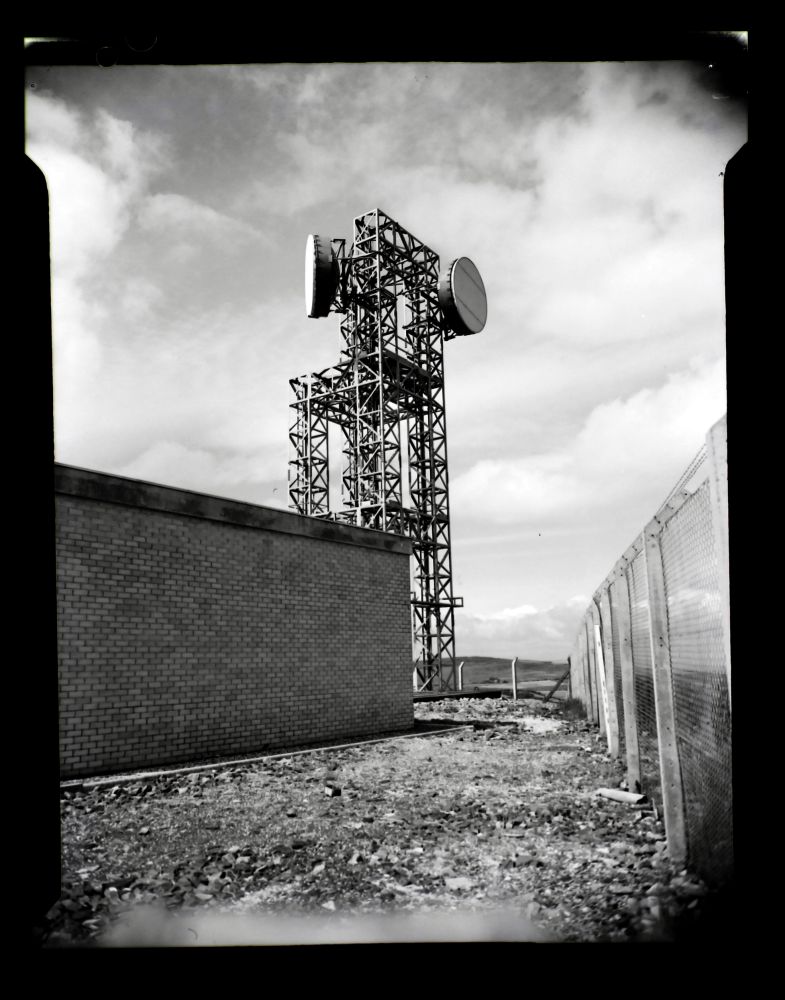
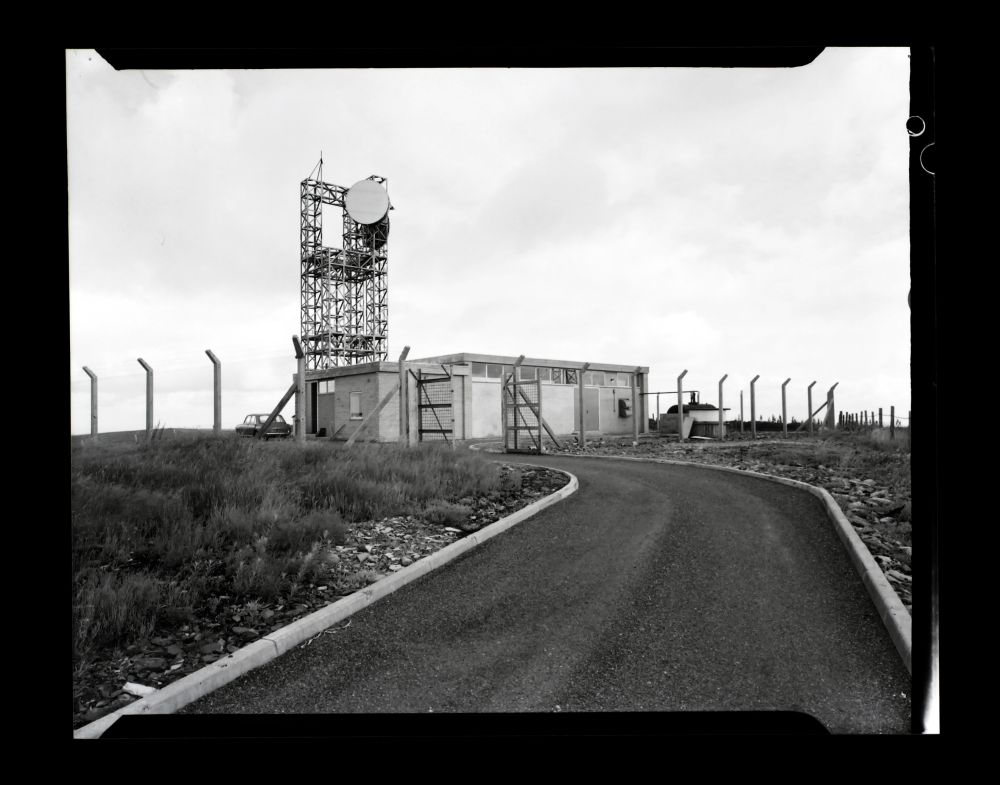
Deadmans Hill is similar to Standing Stones - built as an intermediate site for a link between Belfast and Dublin which entered service around 1970. A short version of the modular "daffodil" tower as used at Sibleys. carried the two dishes required.
The link continued to Dublin via two sites in the Republic of Ireland. Information from a 1971 article in the Post Office Electrical Engineers' Journal confirms the route was built by Philips (rather than one of the usual suppliers) primarily for telephony.
A new link was added in the 1980s as part of a route from Belfast via Slieve Croob - it is unclear whether the link via Standing Stones was retained. Possibly a further link ran between Deadmans Hill and Portadown - this is unconfirmed but an 18 GHz link now operates over this path.
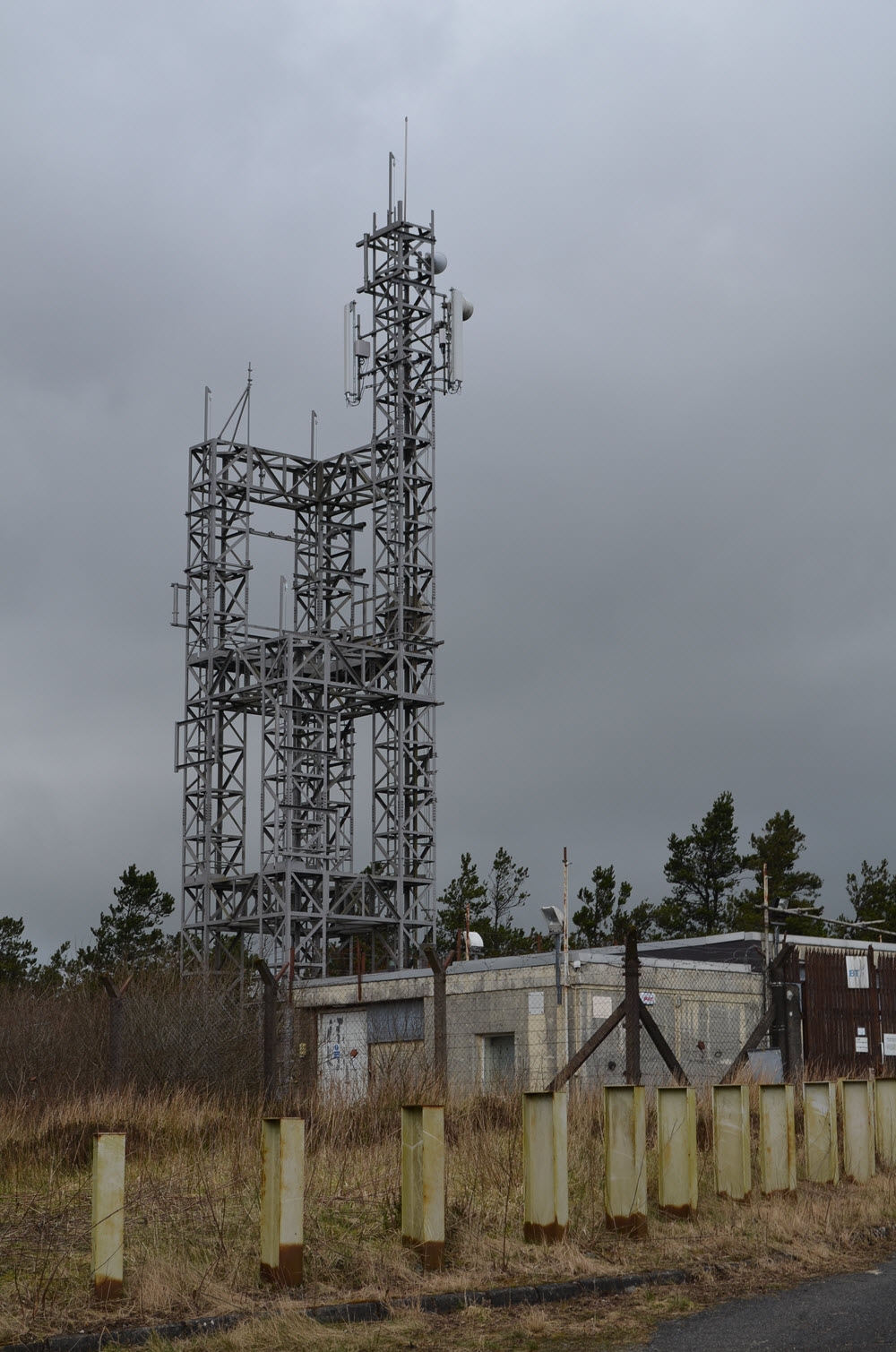
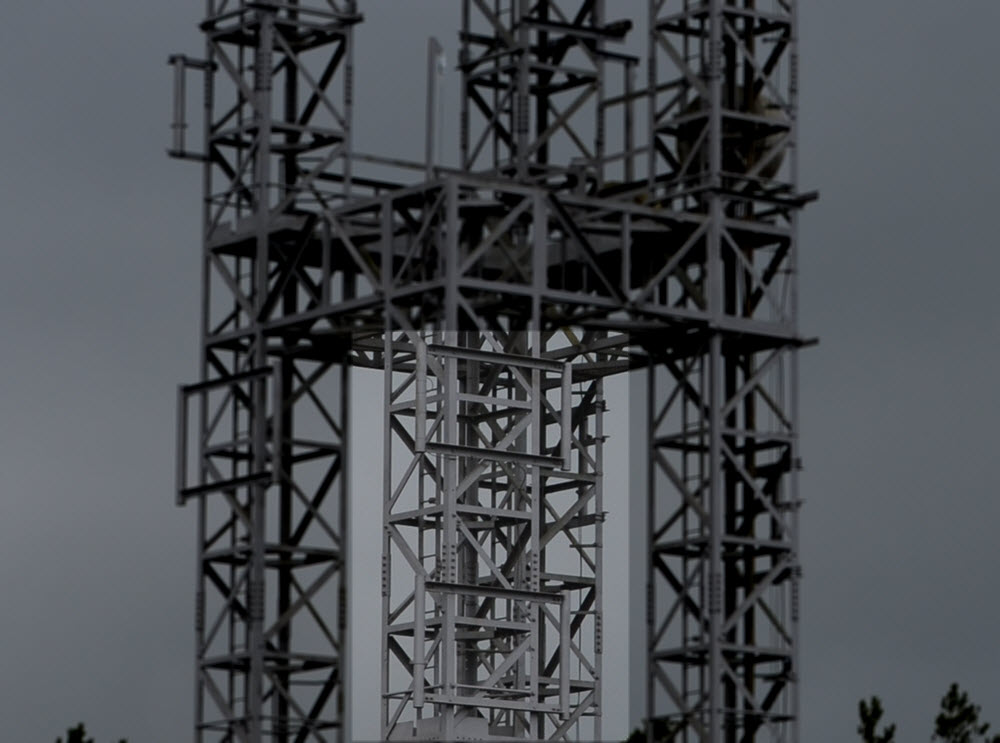
Unlike Standing Stones the site remains in use. The tower has been partially extended and there are two other communications sites in separate compounds nearby.